More reflections on Willimon’s book called “Pastor.” Today some insights on preaching: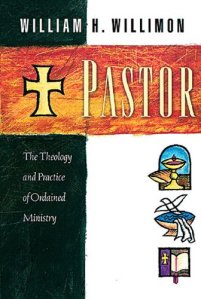
“Whereas classical rhetoricians such as Aristotle spent much of their energies concerned with the limitations and desires of the listeners, urging speakers to take care to tailer their speeches to the disposition of their listeners, Christian speaking is first concerned with the disposition of the biblical text and its power to evoke the hearers it deserves before it troubles itself about the desires and deficiencies of those who hear or refuse to hear. The biblical preacher proclaims as the text proclaims, confident that the text is still quite capable of evoking a good hearing despite the limits of either the preacher or the listeners. Or as Acts sometimes says it, even through our pitiful efforts, by the grace of God, “The word of the Lord grew and prevailed mightily” (Acts 19:20 RSV). (p. 145)
“In preaching, we pray that our people will not just meet the Bible, but will also be met by God.” (p. 146)
“The preacher is the one who is ordained by the church to engage in what Leander Keck has called “priestly listening” — listening to the text on behalf of the church, listening to the church so that the preacher might listen with them to the text. Preachers are sometimes characterized as great talkers. But if we are effective and faithful, we are actually great listeners.” (p. 146)
“When your head droops at night, let a page of Scripture pillow it,” advises Jerome.” (p. 155)
“When it comes down to it, all we [pastors] have are words to do our work. No one has given us an army, or a set of laws, or great wealth — the way the world gets done much of its work. Therefore, we must read everything, and talk to everybody, and listen too, noting how people speak and how they hear. And go to movies.” (p. 156)
Discover more from Kingdom Harbor
Subscribe to get the latest posts sent to your email.
 Kingdom Harbor