Another nature reflection from my forthcoming Jesus Walks: A Field Guide to Spiritual Conversations in Nature I am working on this summer.
“Let them have dominion over every creeping thing that creepeth upon the earth.” Genesis 1:26 ASV
Setting: Ant colony, beehive, or any insect-related site.
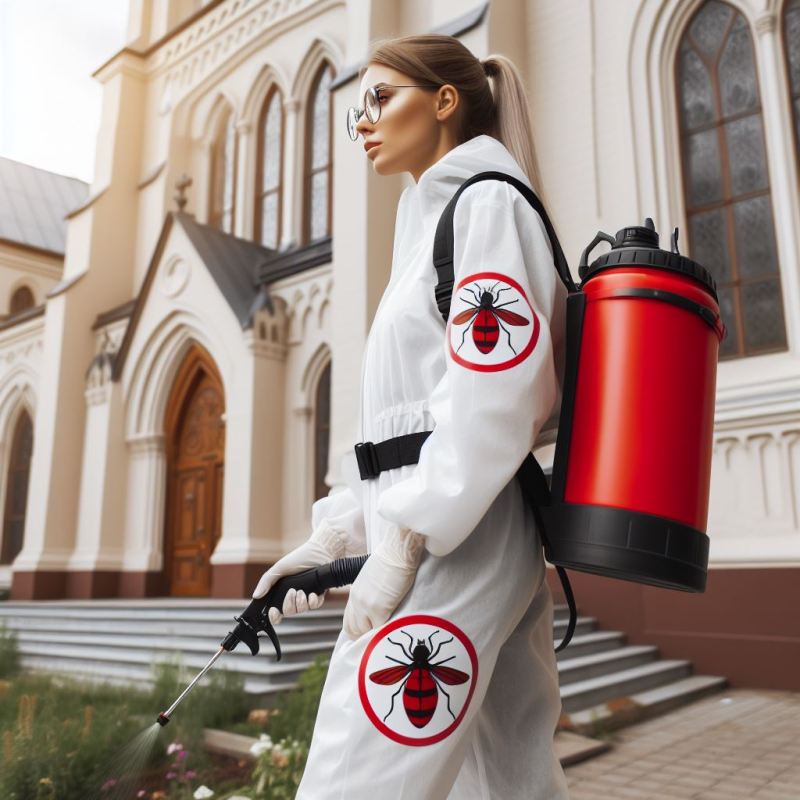
She wore a white jumpsuit with red lettering and had a sprayer on her back—a modern day ghost buster, without the modified 1959 Cadillac Miller-Meteor Sentinel ambulance. And she was exterminating bugs, not trapping ghosts. She was spraying around the church as I parked my car one morning.
“Good morning!” I said.
“A beautiful morning,” she replied with a beaming smile. She had a pleasant face and innocent demeanor—not the look of a mass murderer.
“Not a good morning for the bugs though,” I quipped.
“True, true,” she said—and with that I stepped into the refuge of the church and left the smiley woman to her genocidal task.
Empathy is the ability to place ourselves into another’s shoes and feel what they feel, thus making us more understanding and generous toward them. If self-centeredness is the default condition of sinful humanity, and selflessness the pinnacle of Christian virtue, then empathy is an essential quality to practice and hone. Naturalists probably have a leg up on others when it comes to cultivating empathy, though some like PETA will take it too far.
Pet owners naturally get into the mind and feelings of their beloved creatures. Their furry friends can’t talk, so they do the work of trying to guess their mood, their needs, their desires. This is empathy.
Children also often have a natural awareness and interest in the wildlife around us that we adults have slowly learned to overlook. Just this week my daughter had a wooly bear caterpillar in a jar, thoughtfully preparing a home for it and bringing it “food” to eat. Most of us can remember lazy summer days as children just lying in the grass watching the squirrels run up and down trees, or observing the ants at work in their colonies.
These moments also place us in God’s shoes, as we stand like Titans and gods above a colony of ants, looking down with curiosity and care, or as is often the case, a malicious instinct to destroy their world with a stomp of a foot or sinister use of a magnifying glass. We’re reminded that we are just tiny ants in God’s expansive universe, hoping for a deity more benevolent than the child with popsicle stain on their lips and a magnifying glass in their hand.
The happy bug sprayer was “just doing her job” (eerily echoing the workers in Nazi death camps) for the greater good of the church. For the creepy crawlers trying to live out their brief God-ordained existence under the protection of the church, she embodied the Hindi saying, “I am become Death, destroyer of worlds.”
We will not all agree on how best to rule over God’s creeping things, but we will grow in empathy by occasionally placing ourselves in the shoes the skin, the wings, or the many-legged bodies of the “least of these” creatures.
Discover more from Kingdom Harbor
Subscribe to get the latest posts sent to your email.
 Kingdom Harbor